
"Ethiopian Harar beans"
300 article(s) found
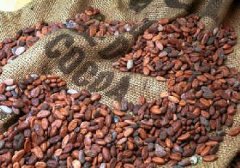
Ethiopian coffee, the most complex and diverse Harald coffee.
[product name] Harald (Harar-4) [place] Ethiopia (Ethiopia) [place] recommended roasting degree: urban roasting or deep urban roasting [cup review] medium to slightly sour, full taste, strong mocha flavor and iconic blueberry flavor of the Harald region of western Ethiopia, the general conventional species, the tree species are very powerful coffee.

Introduction to where the Ethiopian Coffee Sidamo Chiso is produced
Where does Ethiopia's Sidamasha Chiso Coffee come from? Ethiopia grows coffee in different climatic zones, so it has more than 140 farm varieties, and fresh coffee is produced all the year round. The quality of Ethiopian coffee varies according to different elevations and regional ecological environment. Harar coffee in the southeast highlands is a typical Muha coffee with a rich flavor.

Flavor description method of Ethiopian Coffee Manor introduction to the taste of varieties in producing areas
Ethiopia's geographical environment is very suitable for coffee growth. Coffee is mainly grown in the southern highlands between 1100 and 2300 meters above sea level. The main coffee producing areas are Harar, Limu, Djimma, Sidamo, Kaffa, Yergacheffe and Wellega. The soil drainage in these areas is good.

How do you brew Harald coffee? can Harald coffee be made with milk? what's the difference in flavor?
For more information on coffee beans, please follow the coffee workshop (Wechat official account cafe_style) Ethiopia produces very complex coffee, so there are different planting areas and varieties that produce unique and unique characteristics in their processed coffee-Harald coffee from natural simplicity and wine, interesting tropical fruits, plums and plums from Lekempti.

Which country is the Harald coffee? what are the regional characteristics of the Harald coffee producing area?
Professional coffee knowledge exchange more coffee bean information please follow the coffee workshop (Wechat official account cafe_style) the origin of the name: the most famous Ethiopian coffee is Harald Coffee. Harald is located in eastern Ethiopia. Harald is an ancient city with a long history and one of the four holy cities of Islam. The Harald area has the best altitude for Arabica coffee growth.

Eight major producing areas of Ethiopia introduce how to drink Ethiopian Lim Limu coffee?
Professional coffee knowledge exchange more coffee bean information please follow the coffee workshop (Wechat official account cafe_style) Ethiopian coffee is mainly produced in eight major areas: Lekempti, Limu, Illubabor, Djimmah, Harar, Teppi/Bebeka, Sidamo, Yirgacheffe. Ethiopian coffee is highly rated in China, especially for Ethiopian coffee.

Introduction to the characteristics of grinding degree of Ethiopian coffee bean varieties with mild taste by flavor description treatment
Ethiopian coffee flavor description describes the high water content, so the need for a deeper degree of baking, using a low heat to bake to the city city, the surface slightly oily, the beans brown. After baking, Gemma feels crisp and loose after grinding, and it takes a long time to finish the last point of grinding. It may be that the beans are light and not easy to get down. The dry aroma of Gemma coffee powder: strong
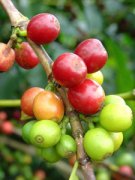
Production and processing of coffee flavor of Ethiopian coffee beans
Ethiopia's geographical environment is very suitable for coffee growth. Coffee is mainly grown in the southern highlands between 1100 and 2300 meters above sea level. The main coffee producing areas are Harar, Limu, Djimma, Sidamo, Kaffa, Yergacheffe and Wellega. The soil drainage in these areas is good.

A brief introduction to the Market Price of Ethiopian Fine Sidamo Coffee varieties
The highest grades of Ethiopian washed coffee Yega Chuefei G1 G2 Sidamo (Yirgacheffe, Sidamo) are Grade 2 and Grade 3 (G2, G3), while most of the sun-processed coffee in eastern Ethiopia are Grade 4 or Grade 5 (G4, G5). In many cases, level 4 coffee is marked as level 5 in order to reduce taxes. At present, the grading is not uniform and messy, because there is also sun processing.

Introduction to the characteristics of coffee flavor and taste of Ethiopian coffee manor with long, pointed beans
The highest grades of Ethiopian washed coffee Yega Chuefei G1 G2 Sidamo (Yirgacheffe, Sidamo) are Grade 2 and Grade 3 (G2, G3), while most of the sun-processed coffee in eastern Ethiopia are Grade 4 or Grade 5 (G4, G5). In many cases, level 4 coffee is marked as level 5 in order to reduce taxes. At present, the grading is not uniform and messy, because there is also sun processing.

Introduction to the description of Flavor of Ethiopian Coffee Bean by Variety treatment
Ethiopia grows coffee in different climatic zones, so it has more than 140 farm varieties, and fresh coffee is produced all the year round. The quality of Ethiopian coffee varies according to different elevations and regional ecological environment. The Harar coffee in the southeast highland is a typical Muha coffee with a strong flavor; the coffee produced in the southwest Wollega has a rich fruity flavor; Limu coffee

Introduction to the flavor description and grinding characteristics of Ethiopian coffee varieties in producing areas
Grade of Ethiopian coffee: Ethiopian washed coffee Yega Chuefei G1 G2 Sidamo (Yirgacheffe, Sidamo) has the highest grades 2 and 3 (G2, G3), while sun-processed coffee in eastern Ethiopia is mostly grade 4 or 5 (G4, G5). In many cases, level 4 coffee is marked as level 5 in order to reduce taxes. At present, the classification is not uniform and there are

Brief introduction and grading of Ethiopian Coffee beans
Most of the sun-processed coffee in eastern Ethiopia are grade 4 or grade 5 (G4, G5). In many cases, level 4 coffee is marked as level 5 in order to reduce taxes. At present, the grading is not uniform and a bit messy, because there are also first-and second-tier (Grand G2) Yirga Cheffe coffee processed by solarization, but the highest grade of Harald (Harar) is level four (
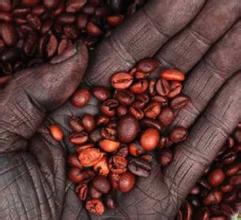
Boutique coffee beans the latest Ethiopian coffee introduces unique flavor and full taste
Ethiopia's geographical environment is very suitable for coffee growth. Coffee is mainly grown in the southern highlands between 1100 and 2300 meters above sea level. The main coffee producing areas are Harar, Limu, Djimma, Sidamo, Kaffa, Yergacheffe and Wellega. The soil drainage in these areas is good.

Introduction to the unique flavor and taste characteristics of Ethiopian coffee manor
A large amount of coffee production (95%) is done by small shareholders, with an average yield of 561 kg per hectare. For centuries, minority holders of Ethiopian coffee farms have been producing a variety of high-quality types of coffee. The secret of producing high-quality coffee is that coffee growers have developed environmental conditions through generations of repeated learning about the coffee planting process.

Ethiopian coffee plantation with unique quality and moderate pH
Harar Coffee is produced in the eastern highlands of Ethiopia. It is medium bean-shaped and large

A brief introduction to boutique coffee and Ethiopian coffee
Ethiopia is the hometown of Arabica coffee, and it is in the forests of Kaffa that you can see wild Arabica coffee. In Ethiopian, coffee is called Bun or Buna, and coffee beans (coffee bean) may be translated from Kaffa Bun. Arabica coffee was discovered early in the Harar area, probably from the card.

Boutique coffee beans Ethiopian coffee the latest coffee introduces a unique flavor full of taste
Ethiopia's geographical environment is very suitable for coffee growth. Coffee is mainly grown in the southern highlands between 1100 and 2300 meters above sea level. The main coffee producing areas are Harar, Limu, Djimma, Sidamo, Kaffa, Yergacheffe and Wellega. The soil drainage in these areas is good.

A brief introduction to the flavor and taste characteristics of Ethiopian coffee manor with rich alcohol thickness
In the West, Ethiopian coffee is generally sold on the market as Yega Feixidamo and Harald (Yirgacheffee, Sidamo and Harrar). The highest grades of Ethiopian washed coffee Yega Chuefei G1 G2 Sidamo (Yirgacheffe, Sidamo) are Grade 2 and Grade 3 (G2, G3), while most of the sun-processed coffee in eastern Ethiopia are Grade 4 or Grade 5 (G4, G5).

Ethiopian coffee beans are of high quality, very diverse flavor and shallow roast Yirgacheffe.
Boutique coffee (specialty coffee) is also called specialty coffee selection coffee. It refers to coffee made from a small number of raw beans with excellent taste grown in an ideal geographical environment. Depending on the special soil and climatic conditions in which they grow, they have outstanding flavor. After strict selection and classification, this kind of coffee is hard in texture, rich in taste and stylish.